
Last reviewed: March 2026 | Evidence-based health article
A simple, evidence-based deep dive (with a pinch of realism)
Abstract (The short answer)
Yes—you can lose weight at a desk job without formal exercise. But it’s harder, slower,
and far less forgiving. The key driver is energy balance (calories in vs. calories out),
but sedentary environments make maintaining that balance more difficult.
1. The Core Principle: Weight Loss Is a Math Problem (Mostly)
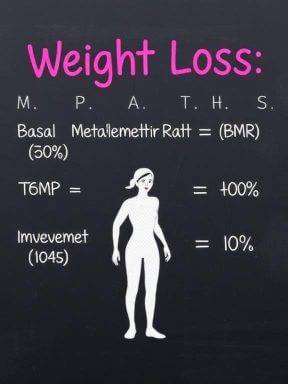 At its simplest, weight loss occurs when you consume fewer calories than your body uses.
Even in sedentary individuals, the body burns energy through basal metabolic rate (BMR),
digestion, and daily activity.
- Basal Metabolic Rate (BMR) – ~60–70%
- Thermic Effect of Food – ~10%
- Activity and movement
Reduce calories enough and weight loss will occur—but a desk job reduces your daily
calorie burn, leaving very little margin for error.

2. The Hidden Enemy: Sedentary Living
Prolonged sitting has been linked to disrupted fat metabolism, poor blood sugar regulation,
and increased risk of obesity and chronic disease.
- Small snacks can erase a calorie deficit
- Hunger signals may become less reliable
You’re playing the same weight-loss game as active people—but on hard mode.
3. NEAT: The “Invisible” Fat-Burning Factor
Non-Exercise Activity Thermogenesis (NEAT) refers to calories burned from everyday movement.
- Walking around
- Standing
- Fidgeting
- Pacing while on calls
Research shows increasing NEAT can significantly improve body composition
even without structured workouts.
4. Why Diet Becomes Everything
- People underestimate calorie intake
- Sedentary people burn fewer calories
- Appetite doesn’t drop proportionally
Long-term weight loss success depends more on habits and environment than short-term dieting.
5. Practical Plan
- Prioritise protein and fibre
- Remove liquid calories and snacks
- Stand and walk regularly
- Track food intake
Conclusion
Yes, you can lose weight at a desk job without exercise. But movement makes weight loss
far more sustainable. Diet creates weight loss — movement makes it easier to maintain.
References & Resources
- Levine JA et al. (2001) – Non-Exercise Activity Thermogenesis (NEAT)
- Hill JO et al. – Energy Balance and Obesity Research
- World Health Organization – Obesity and Overweight Fact Sheet
- NHS – Managing Your Weight
- National Institute of Diabetes and Digestive and Kidney Diseases – Body Weight Regulation
- American Journal of Clinical Nutrition – Energy Expenditure and Weight Control